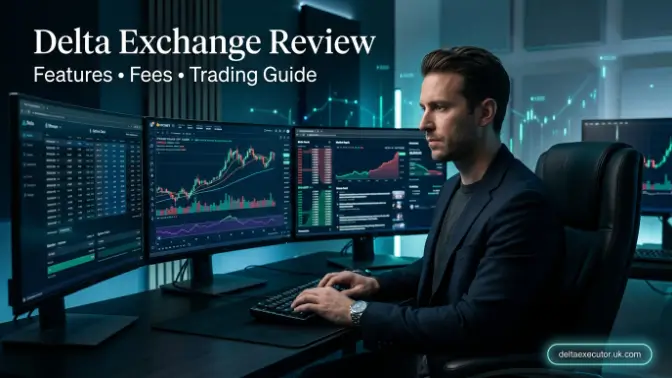
Welcome to deltaexecutor. Delta Ex has become increasingly popular among cryptocurrency traders who want to learn more about advanced digital asset trading platforms. Delta Exchange is a specialized cryptocurrency derivatives exchange that allows users to trade products such as Bitcoin futures, perpetual contracts, and crypto options. Unlike traditional crypto platforms that mainly focus on buying and selling digital currencies, Delta Exchange is designed for traders who want access to professional tools, leverage options, and advanced market strategies.
With the rapid growth of cryptocurrency markets, many traders are exploring derivatives exchanges to improve their trading opportunities and manage market movements more effectively. The delta ex platform provides access to multiple cryptocurrency contracts, real-time trading tools, and features built for both experienced traders and users who want to understand professional crypto trading. However, before using any derivatives platform, it is important to understand how it works, what fees are involved, how secure it is, and what risks come with leverage trading.
What Is Delta Exchange?
Delta Exchange is a cryptocurrency derivatives trading platform that allows users to trade digital asset contracts such as Bitcoin futures, perpetual contracts, and crypto options. Unlike traditional cryptocurrency exchanges that mainly focus on buying and selling coins, Delta Exchange provides advanced trading features designed for users who want to participate in cryptocurrency derivatives trading and access professional market tools. The platform is built for traders who want exposure to crypto price movements without directly owning the underlying assets.
How Delta Exchange Works
Delta Exchange works by allowing traders to speculate on cryptocurrency price movements through derivative contracts instead of purchasing cryptocurrencies directly. For example, if a trader believes Bitcoin’s price will increase, they can open a long position, while traders expecting a price decline can open a short position. Profits or losses are calculated based on changes in the value of the selected contract.
The platform offers different types of contracts, including perpetual swaps and futures contracts. These products allow traders to use leverage, which means they can control larger positions with a smaller amount of capital. However, leverage trading also increases risk, making proper risk management strategies essential for protecting funds and avoiding unnecessary losses.
Who Should Use Delta Exchange?
Delta Exchange is mainly suitable for traders who already understand cryptocurrency markets and want access to advanced trading opportunities. Professional traders, active investors, and users interested in digital asset derivatives may find the platform useful because it provides tools for futures trading, options strategies, and market analysis.
Beginners can also explore Delta Exchange, but they should first learn how derivatives, margin requirements, and liquidation processes work. Users who are comfortable with leverage trading and understand market volatility may benefit more from the platform compared to those who only want simple cryptocurrency buying and holding.
Read also: iOS Delta Emulator Guide: Install, Setup & Features
Key Features of Delta Exchange
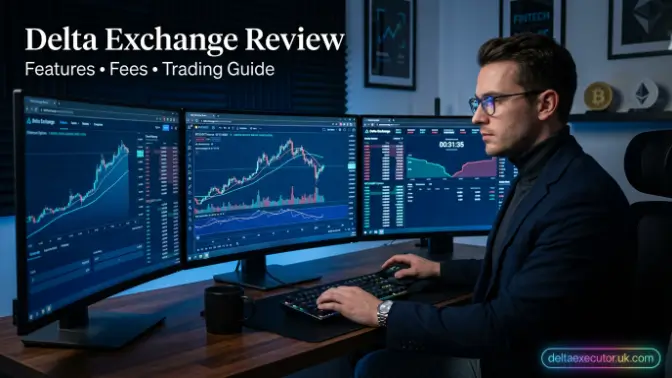
Delta Exchange offers a wide range of advanced features designed for cryptocurrency traders who want access to professional derivatives markets. The platform focuses on providing tools for futures, options, and leveraged trading, making it suitable for users who want more than simple cryptocurrency buying and selling. With features such as multiple trading contracts, advanced order options, and professional market analysis tools, Delta Exchange provides a complete environment for cryptocurrency derivatives trading and active market participation.
Crypto Futures Trading
One of the main features of Delta Exchange is its crypto futures trading capability, which allows users to speculate on the future price movements of digital assets. Traders can open long or short positions depending on their market expectations, making futures contracts useful in both rising and falling markets. The platform supports different types of contracts, including major cryptocurrencies and selected altcoins.
The futures market on Delta Exchange is designed for traders who understand market analysis and want access to crypto futures contracts with flexible trading strategies. However, traders should carefully manage their positions because leverage can increase both profits and losses.
- Bitcoin futures: Allows traders to gain exposure to Bitcoin price movements without directly owning BTC.
- Ethereum futures: Enables trading based on Ethereum’s future market value.
- Altcoin contracts: Provides access to futures markets for various alternative cryptocurrencies.
- Leverage options: Allows traders to control larger positions with less capital, although it also increases potential risks.
Crypto Options Trading
Delta Exchange also provides crypto options trading, giving users additional ways to manage market exposure and create advanced trading strategies. Options allow traders to purchase contracts that provide the right, but not the obligation, to buy or sell an asset at a specific price. This makes options useful for both speculation and portfolio protection.
Through options trading, Delta Exchange provides experienced traders with more opportunities to handle different market conditions. These products are especially useful for users familiar with crypto options strategies and advanced trading concepts.
- Call options: Used when traders expect the price of a cryptocurrency to increase.
- Put options: Used when traders expect the price of a cryptocurrency to decrease.
- Benefits: Helps traders manage risk, create flexible strategies, and protect positions.
- Use cases: Includes hedging, market speculation, and advanced portfolio management.
Advanced Trading Tools
Delta Exchange provides professional trading tools that help users analyze markets, execute trades, and manage positions efficiently. These tools are designed to improve the overall trading experience by providing detailed market information and flexible controls for active cryptocurrency traders.
The advanced interface of Delta Exchange makes it easier for traders to analyze opportunities and execute strategies in fast-moving markets. By combining detailed charts, flexible orders, and digital asset trading tools, the platform supports users who want a more professional cryptocurrency trading experience.
- Trading charts: Real-time price charts and market data for technical analysis.
- Order types: Support for market orders, limit orders, and stop-loss orders.
- Risk management tools: Features that help traders control exposure and manage potential losses.
- Trading interface: A professional dashboard designed for efficient order placement and position monitoring.
Delta Exchange Supported Cryptocurrencies
Delta Exchange supports a variety of digital assets through its derivatives markets, allowing traders to access futures, perpetual contracts, and other crypto trading products. Instead of focusing mainly on spot cryptocurrency purchases, the platform provides exposure to cryptocurrency derivatives markets where users can trade contracts based on the price movements of different digital assets. The availability of supported cryptocurrencies and contracts may change depending on market demand and platform updates.
| Cryptocurrency | Trading Products Available | Main Use Case |
| Bitcoin (BTC) | Futures, Perpetual Contracts, Options | Trading Bitcoin price movements and managing market exposure |
| Ethereum (ETH) | Futures, Perpetual Contracts, Options | Speculating on Ethereum market trends |
| Litecoin (LTC) | Futures Contracts | Trading alternative cryptocurrency movements |
| Ripple (XRP) | Derivatives Contracts | Accessing XRP price-based trading opportunities |
| Solana (SOL) | Futures Contracts | Trading emerging blockchain asset markets |
| Other Altcoins | Selected Futures and Perpetual Contracts | Diversifying crypto derivatives strategies |
Delta Exchange Fees Explained
Understanding the fee structure is an important part of choosing any cryptocurrency trading platform. Delta Exchange uses different types of charges depending on the trading activity, including transaction fees, contract-based charges, funding payments, and withdrawal costs. These fees can affect overall profitability, especially for active traders who frequently open and close positions. Knowing how crypto trading fees work helps users plan better strategies and manage their trading expenses effectively.
Trading Fees
Trading fees on Delta Exchange are applied when users execute futures, options, and other derivative contracts. The amount charged may depend on factors such as the type of contract, trading volume, and whether the user provides or takes liquidity from the market.
For active traders, understanding maker and taker fees is essential because frequent transactions can increase overall costs. Delta Exchange users should review the latest fee structure before trading and consider how trading frequency, position size, and contract selection may impact expenses.
- Maker fees: Charged when a trader places a limit order that adds liquidity to the order book.
- Taker fees: Applied when a trader executes an existing order from the market.
- Contract-based fees: Fees that vary depending on the specific cryptocurrency derivative contract being traded.
Withdrawal and Funding Fees
Apart from trading costs, Delta Exchange may also involve additional charges related to withdrawals and maintaining leveraged positions. These fees are important for traders who regularly move funds or keep positions open for extended periods. Understanding these costs helps users calculate the true expense of using the platform.
Since crypto derivatives trading often involves leverage and margin requirements, traders should monitor funding rates and position costs carefully. Delta Exchange users who manage their positions efficiently and understand these fees can reduce unnecessary expenses and make more informed trading decisions.
- Withdrawal charges: Fees applied when transferring cryptocurrency from the exchange to an external wallet.
- Funding rates: Periodic payments between traders in perpetual contract markets to keep contract prices aligned with the underlying asset.
- Margin costs: Expenses related to maintaining leveraged trading positions.
Is Delta Exchange Safe?
Security is one of the most important factors when choosing a cryptocurrency trading platform. Delta Exchange uses various security measures to help protect user accounts and trading activities. However, like all cryptocurrency derivatives platforms, safety depends on both the exchange’s security infrastructure and how responsibly users manage their accounts. Traders should understand that crypto derivatives trading involves market risks, especially when using leverage.
Delta Exchange Security Features
Delta Exchange provides several security features designed to protect user accounts and improve the overall trading experience. These tools help reduce unauthorized access and allow traders to maintain better control over their funds and account activities.
By implementing these security measures, Delta Exchange aims to provide a safer environment for cryptocurrency traders. Users should also follow best practices, such as creating strong passwords, enabling security features, and regularly checking account activity to improve protection.
- Two-factor authentication (2FA): Adds an extra security layer by requiring additional verification during account access.
- Account controls: Allows users to manage account settings, security preferences, and trading permissions.
- Risk management systems: Helps monitor trading activity and manage potential market-related risks.
Common Risks of Crypto Derivatives Trading
Although Delta Exchange offers advanced trading features, users should understand that derivatives trading carries higher risks compared to traditional cryptocurrency investing. Factors such as leverage, rapid price movements, and market uncertainty can significantly impact trading results.
Understanding these risks is essential before using Delta Exchange for trading. Practicing proper risk management strategies, using reasonable position sizes, and avoiding excessive leverage can help traders make more informed decisions while participating in cryptocurrency markets.
- High leverage risk: Leverage can increase potential profits but may also increase losses if the market moves against a position.
- Liquidation: Leveraged positions may be automatically closed when available margin becomes insufficient.
- Market volatility: Cryptocurrency prices can change quickly due to news, market sentiment, and economic factors.
How to Start Trading on Delta Exchange
Starting your trading journey on Delta Exchange involves a few simple steps, including creating an account, adding funds, and learning how to place your first trade. The platform provides access to various trading products, but beginners should understand the basics of crypto derivatives trading before entering the market. Following a structured process can help users set up their accounts properly and develop better trading habits.
Create an Account
Creating an account is the first step to start using Delta Exchange. Blog The registration process usually requires users to provide basic information, verify their email address, and complete any required security steps. Setting up account protection features early can help keep trading activities safer.
After creating an account, users can explore the platform interface and learn about available markets before making trades. Understanding account settings, security options, and cryptocurrency trading platforms can help beginners become more comfortable before committing funds.
Deposit Funds
Once the account is created, the next step is depositing funds into the Delta Exchange account. Traders need available balance to open positions, manage margin requirements, and participate in futures or options markets. Before depositing, users should check supported assets and wallet details carefully.
Proper fund management is important when using leveraged products because available balance directly affects trading capacity. Delta Exchange users should understand margin trading requirements and avoid depositing more funds than they can comfortably manage.
Place Your First Trade
After funding the account, users can place their first trade on Delta Exchange by selecting a suitable cryptocurrency contract and choosing a trading strategy. The platform allows traders to open positions based on their market expectations, including long positions for potential price increases and short positions for possible declines.
Before making real trades, beginners should spend time understanding market charts, order types, and position management. Using proper risk management techniques can help traders reduce unnecessary losses and create a more disciplined approach while trading on Delta Exchange.
Delta Exchange Pros and Cons
Before choosing any cryptocurrency trading platform, it is important to understand its advantages and limitations. Delta Exchange provides advanced features for users interested in futures, options, and leveraged trading, making it attractive for experienced traders. However, like any cryptocurrency derivatives exchange, it also comes with certain challenges, especially for beginners who may not be familiar with complex trading products. Overall, Delta Exchange can be a useful platform for traders who understand derivatives and want access to advanced crypto trading products. However, beginners should spend time learning crypto futures trading and risk management before using leveraged features to avoid unnecessary losses.
| Pros | Cons |
| Advanced futures and options trading features | May be difficult for complete beginners |
| Supports multiple cryptocurrency derivative contracts | Limited focus on traditional spot trading |
| Provides professional trading tools and market analysis features | Leverage trading can increase potential losses |
| Offers flexible trading strategies for experienced users | Requires knowledge of futures and options markets |
| Suitable for active crypto traders looking for advanced tools | Market volatility can create higher risks |
| Includes risk management features for better position control | Users need to understand margin requirements |
Delta Exchange vs Other Crypto Exchanges
When comparing cryptocurrency platforms, it is important to understand the differences between regular crypto exchanges and specialized derivatives platforms. Delta Exchange focuses mainly on futures, options, and leveraged trading, while many traditional exchanges provide a wider range of spot trading services. The right choice depends on a trader’s experience level, preferred trading products, and understanding of cryptocurrency derivatives markets.
| Feature | Delta Exchange | Traditional Crypto Exchanges |
| Main Focus | Cryptocurrency futures, options, and derivatives trading | Buying, selling, and storing cryptocurrencies |
| Futures Trading | Advanced futures and perpetual contracts available | Available on some platforms with limited options |
| Options Trading | Supports crypto options trading | Often limited or unavailable |
| Spot Trading | Limited spot trading features | Usually offers extensive spot markets |
| Leverage Trading | Provides leverage options for experienced traders | Availability varies by platform |
| Trading Tools | Professional charts, advanced orders, and market analysis tools | Basic to advanced tools depending on exchange |
| Target Users | Active traders and derivatives professionals | Beginners, investors, and general crypto users |
| Risk Level | Higher due to leverage and derivatives products | Generally lower for simple spot trading |
Common Mistakes When Using Delta Exchange
Trading on a cryptocurrency derivatives platform requires more knowledge and preparation compared to regular crypto buying and selling. Many new traders start using Delta Exchange because of its advanced features, futures contracts, and leverage options, but they often make mistakes that can negatively affect their trading results. Understanding these common errors can help users create better strategies, protect their funds, and improve their overall experience with crypto derivatives trading.
Using Too Much Leverage
One of the most frequent mistakes traders make on Delta Exchange is using excessive leverage without understanding the risks involved. Leverage allows traders to open larger positions with a smaller amount of capital, which can increase potential profits when the market moves in their favor. However, the same leverage can also increase losses when prices move in the opposite direction.
Many beginners are attracted to high leverage because it creates the possibility of larger returns, but they often ignore the increased risk of liquidation. A small unfavorable price movement can quickly reduce available margin and force a position to close. Understanding leverage trading risks is essential before opening any leveraged position.
Ignoring Risk Management
Poor risk management is another common mistake that affects many traders using Delta Exchange. Some users focus mainly on finding profitable trades but fail to create a proper plan for protecting their capital. Without effective risk control, even a few unsuccessful trades can significantly impact a trading account.
Risk management involves controlling how much capital is exposed in each trade and preparing for different market outcomes. Professional traders usually focus on protecting their funds first because consistent trading requires managing losses as well as identifying opportunities.
Trading Without Understanding Derivatives
A major mistake made by beginners is trading on Delta Exchange without first understanding how cryptocurrency derivatives work. Unlike simple spot trading, derivatives involve contracts whose value depends on the price movement of an underlying asset. These products include futures, perpetual contracts, and options, each with different rules and risks.
Many inexperienced traders enter derivative markets because they see opportunities for quick profits but do not fully understand concepts such as funding rates, margin requirements, liquidation levels, and contract specifications. This lack of knowledge can lead to poor decisions and unexpected losses.
Tips for Better Trading on Delta Exchange
Successful trading on Delta Exchange requires more than simply opening positions and predicting market movements. Unlike traditional cryptocurrency buying and selling, derivatives trading involves complex factors such as leverage, margin requirements, market volatility, and contract conditions. Traders need proper knowledge, discipline, and a structured approach to analyze opportunities and manage potential risks effectively.
- Start small: Begin with smaller positions to understand the platform and reduce potential losses while gaining experience.
- Learn futures mechanics: Understand leverage, margin, funding rates, and liquidation before trading crypto futures contracts.
- Monitor market conditions: Analyze price trends, market news, and volatility before opening or closing trades.
- Use risk management: Apply stop-loss orders, control position sizes, and follow proper risk management techniques to protect capital.
- Avoid emotional decisions: Stick to a trading plan and avoid making impulsive decisions based on market movements.
Frequently Asked Questions
What is Delta Exchange used for?
Delta Exchange is a cryptocurrency derivatives platform used for trading futures, perpetual contracts, and options. It allows users to trade crypto price movements without directly owning digital assets.
Is Delta Exchange safe?
Delta Exchange provides security features like two-factor authentication and account controls. However, users should understand the risks of crypto derivatives trading, especially when using leverage.
Does Delta Exchange support Bitcoin futures?
Yes, Delta Exchange supports Bitcoin futures and other crypto contracts, allowing traders to speculate on cryptocurrency price movements.
Can beginners use Delta Exchange?
Beginners can use Delta Exchange, but they should first learn about leverage, futures, and risk management before starting real trades.
What fees does Delta Exchange charge?
Delta Exchange charges trading fees, funding costs, and withdrawal-related fees. Users should check the latest fee structure before trading.
Conclusion
Delta Exchange is a specialized cryptocurrency derivatives platform designed for traders who want access to advanced trading products such as futures, perpetual contracts, and options. Unlike traditional crypto exchanges that mainly focus on buying and selling digital assets, Delta Exchange provides tools for users who want to explore more advanced cryptocurrency derivatives trading strategies.
The platform offers several useful features, including professional trading tools, multiple crypto contracts, leverage options, and advanced market analysis capabilities. These features make it suitable for experienced traders who understand market movements, contract mechanics, and risk management. However, users should remember that leveraged trading can increase both potential profits and losses, making proper planning and discipline essential.