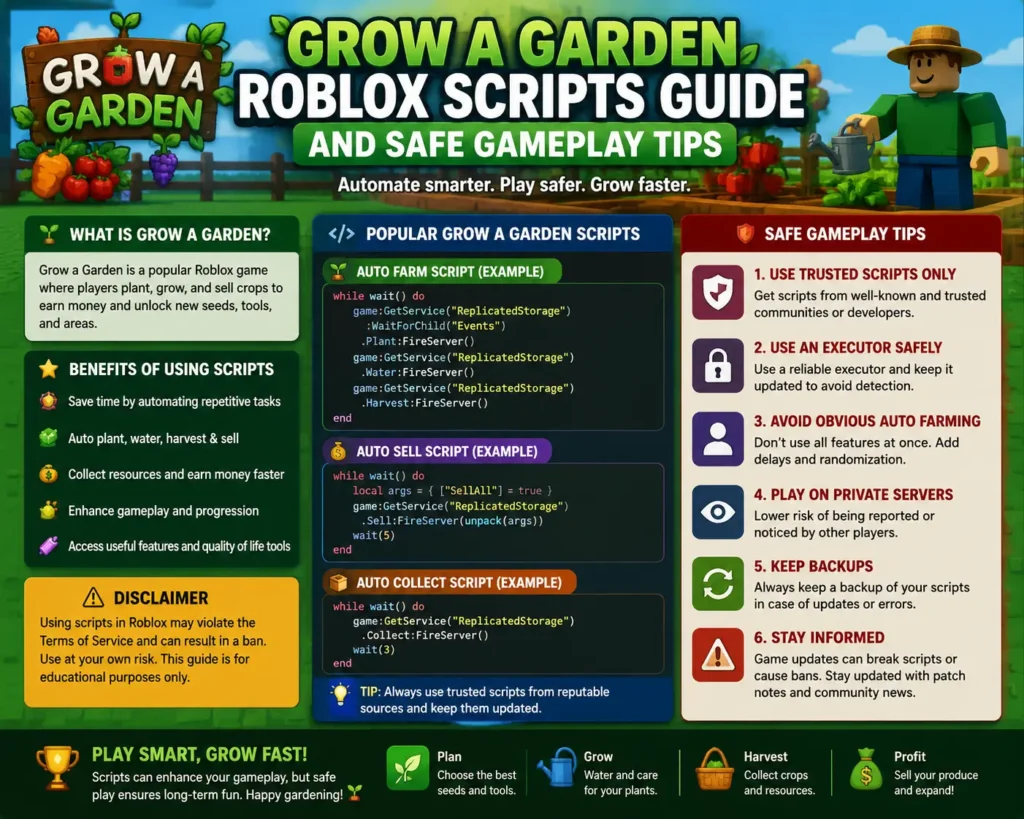
Blade Ball is a game of nerve. A ball hunts the arena, picks a target, and accelerates with every deflection until someone’s timing fails. Rounds are won on a single input — the parry — repeated under rising pressure. Small wonder that the blade ball script scene revolves around one promise: never mistime that input again.
This guide breaks down what Blade Ball scripts do, how auto parry actually works, what else fills their menus, and the risks that come bundled with them. No code and no downloads — just the full picture.
What Blade Ball Is, and What a Script Changes
In Blade Ball, players stand in an arena while a ball targets one player at a time, turning red as it locks on. The targeted player must deflect it with a well-timed click or key press, sending it toward someone else, faster than before. Abilities, swords, and effects add variety, but the core loop is always: read the ball, time the parry, survive.
A script plugs into that loop through an executor. It watches the ball’s state — the same information your client already receives — and reacts faster and more consistently than human reflexes allow. Around that core, menus add farming, visual, and convenience tools. Nothing about the game’s server changes; the advantage is pure reaction speed and stamina.
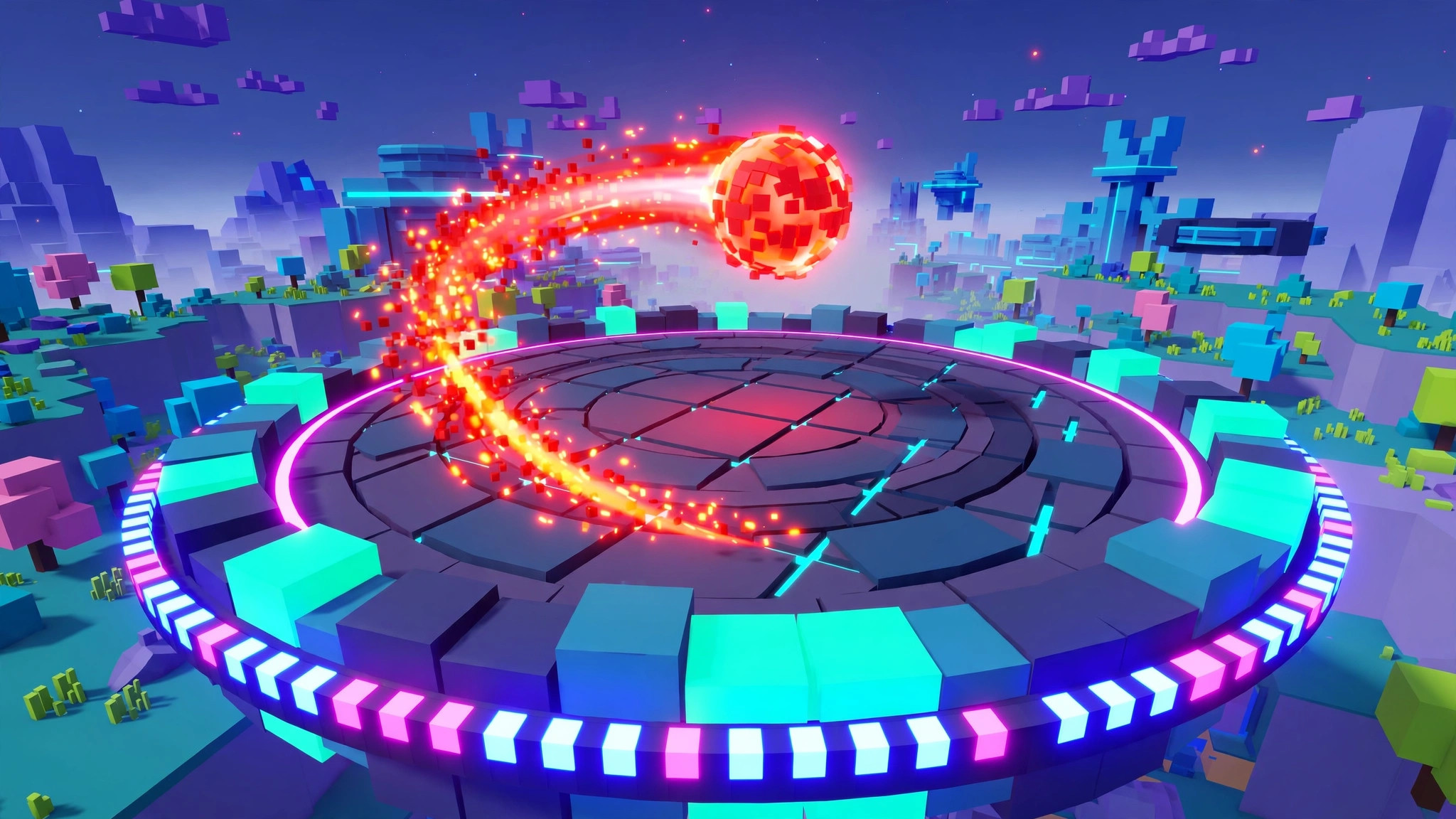
Bladeball Script Core Feature: Auto Parry Explained
Auto parry is the entire reason the bladeball script category exists, so it deserves a precise explanation. Documented implementations generally work in one of two ways:
- Proximity/timing parry — the script tracks the ball’s distance and speed relative to your character and triggers the parry input at the moment the ball enters the effective window. Better tools tune this window dynamically as the ball accelerates.
- Target-state parry — the script reacts when the ball’s target state points at you, combining that with distance checks to avoid wasting parries on balls headed elsewhere.
Around that core, guides describe quality-of-life depth: parry radius/rings display so you can see the range the script is using, manual vs auto modes (some players want the script to handle only high-speed balls), spam parry for close-range chaos, and walk-to-ball modes that move your character toward the ball while parrying. The difference between a good and bad auto parry is almost entirely tuning: a window set too early whiffs as rounds speed up; too late, and the ball is already through.
Redz Hub’s Blade Ball module is a well-documented example of the concept — guide sources describe its deflect automation triggering at optimal timing, most valuable in later rounds when ball speed climbs. For the dedicated deep dive, see our guide to auto parry Blade Ball scripts and Redz Hub.
Blade Ball Scripts Compared: What Else Is in the Menu
Beyond the parry itself, blade ball scripts compete on the supporting cast:
- Auto farm / AFK modes — stay queued and accumulate wins, coins, and playtime rewards with minimal input.
- Auto claim — collect playtime and pass rewards automatically.
- Shop automation — auto-buy crates or items in some tools.
- ESP and visuals — ball tracking highlights, target indicators, and player information.
- Ability helpers — auto-use or timing assistance for certain abilities in fuller-featured tools.
- Performance toggles — FPS boost and effect reduction for weaker devices, plus anti-AFK for long sessions.
Not every script includes all of these, and breadth is not always a virtue: Blade Ball punishes stutter, so a lean, well-tuned parry tool often beats a bloated hub in the rounds that matter. If skipping key systems matters to you, our Blade Ball script no key guide covers the keyless options for this game.
How Scripts “Read” the Ball: Timing Windows and Ping
It helps to understand the duel every auto parry fights: timing versus latency. The ball’s approach is judged in real time, but your client learns about game events with network delay. A script fires its parry based on predicted arrival — distance divided by speed, minus your ping.
That model explains the common failure stories:
- High ping rounds feel impossible even with a script; the window effectively moved.
- Sudden speed changes after deflections, curves, or ability effects can break simpler prediction models.
- Server lag spikes desync what you see from what the server registers — the parry looked right and still failed.
Good scripts let you nudge an offset value for exactly these reasons. If your parries are consistently a fraction early or late, that offset — not a different script — is usually the fix.
Game Modes: Where Auto Parry Helps Most
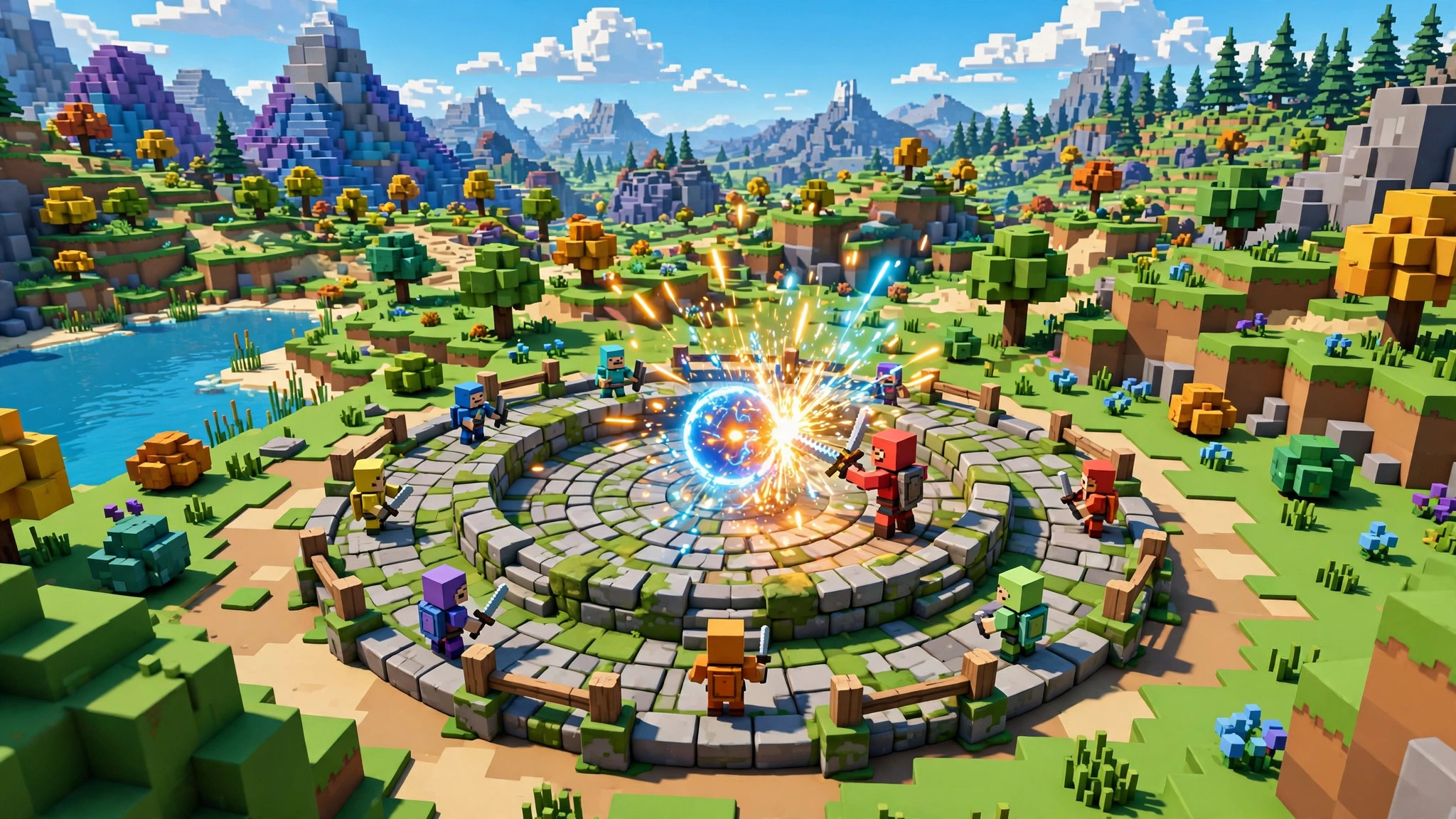
Blade Ball is not one game but several wearing the same skin, and auto parry’s value shifts between them:
- Classic free-for-all. Many targets, chaotic ball paths, frequent multi-deflection exchanges. The script shines in mid-to-late rounds when the ball cycles quickly between the final players — but your visibility to spectators is also at its peak.
- Duels. One opponent, pure timing and mind games. Prediction models matter less than curve-reading and ability baiting, which scripts do not solve for you. Players who lean entirely on auto parry in duels plateau fast.
- Team and event modes. More bodies and more chaos mean the ball targets you less predictably, and the parry trigger logic (distance plus target-state) earns its keep by not wasting parries on other players’ balls.
- High-speed late rounds anywhere. This is the universal case for the tool: the point where the ball’s acceleration exceeds comfortable human reaction for most players. It is no coincidence that hub documentation highlights exactly this phase as where deflect automation pays off.
Understanding the mode you are in also informs your settings: radius and aggression that feel perfect in free-for-all can be twitchy overkill in a duel.
How to Run a Blade Ball Script: General Steps
- Install a trusted executor from its official source only.
- Join a Blade Ball match and let everything load before attaching.
- Load the script and open its menu between rounds, not mid-rally.
- Set the parry mode and radius conservatively for your first matches.
- Spectate a few rounds or play casual modes while you verify the timing looks right.
- Adjust the offset once, based on a pattern — not after every single death.
General scripting background lives in our wider guide to the roblox blade ball script options, which compares tool styles for this game.
Safety: This Game Reports Back
- Blade Ball is spectator sport. Everyone in the arena watches the last players alive. A survivor whose parries never miss draws attention, clips, and reports faster than in almost any other genre — discretion settings are not optional decoration.
- Bans and rule-breaking. Scripts violate Roblox’s Terms of Use, reviewable via the Roblox Creator Hub; competitive games enforce against automation because it directly attacks fairness. Alt accounts only.
- Fake downloads thrive here too. “Blade Ball OP script” pages are a standard malware funnel. Real tools load as code through an executor; installers are traps.

Tips for Believable, Effective Play
- Blend script and skill. Let the parry help at high speed, but move, position, and use abilities like a human player between rallies.
- Play shorter sessions. Endless perfect survival in public lobbies is the loudest signal you can send.
- Keep settings per-mode. Duels and free-for-all have different ball dynamics; one configuration rarely fits both.
- Warm up legitimately sometimes. If you ever play without the script, you will want real timing of your own.
Practicing the Handoff: Playing With and Without the Script
One underrated approach is to treat the script as a training partner rather than a permanent crutch. Watch what the parry window feels like at each ball speed with the radius display on; then, in casual matches, try matching that timing yourself with the automation off. Players who do this often find their unassisted play improves noticeably — they have internalized what “in range” actually looks like. It also gives you a fallback identity as a player: if your tool breaks after an update, you are rusty rather than helpless, and you can hold your own in lobbies while you wait for the patch like everyone else.
Mistakes to Avoid
- Maximum aggression everywhere. Spam parry plus auto everything makes your play pattern obviously synthetic.
- Ignoring the offset setting. Most “this script doesn’t work” complaints are one unadjusted offset.
- Running scripts during lag spikes. You will die to physics, blame the tool, and learn nothing.
- Testing new tools in ranked-feeling lobbies. Verify in low-stakes matches first.
Frequently Asked Questions
What does a blade ball script do that I cannot?
Primarily, it reacts to the ball with machine timing and zero fatigue. The parry itself is a normal input — the script just never blinks across a hundred rallies.
Is auto parry the same in every script?
No. Implementations differ in how they predict the ball’s arrival, which is why tuning options (window, radius, offset) are the real quality markers.
Can a script win every round?
No. Ping, lag spikes, curved balls, and ability plays still beat scripts regularly. They raise your floor dramatically; they do not remove the ceiling.
Does Blade Ball scripting work on mobile?
Yes, through mobile executors, and compact auto parry tools are popular there — though fine-tuning offsets on a small screen is fiddlier than on PC.
Why does my parry fire too early in later rounds?
Ball speed scales up, so a fixed timing window drifts. Tools with dynamic windows handle this better; otherwise, adjust the offset or use modes designed for high-speed play.
Conclusion
A blade ball script is a reaction machine wrapped around one input: it reads the ball, predicts its arrival, and parries with a consistency humans cannot sustain. The best versions earn their reputation on tuning — dynamic timing windows, sensible offsets, parry radius visuals — with farming and reward automation as supporting acts. Use one with restraint, in the right lobbies, on an alt account, and remember that the arena is always watching: in Blade Ball, how you win is as visible as whether you win.